News
Poster Presentation at the ME/CFS-Research-Conference
May 7-8, 2026 | Berlin
The International ME/CFS Research Conference took place on 7 and 8 May in Berlin. Organised by Charité and the ME/CFS Research Foundation, the conference focused on the latest research findings regarding the pathomechanisms, diagnosis and treatment of ME/CFS, as well as post-COVID syndrome.
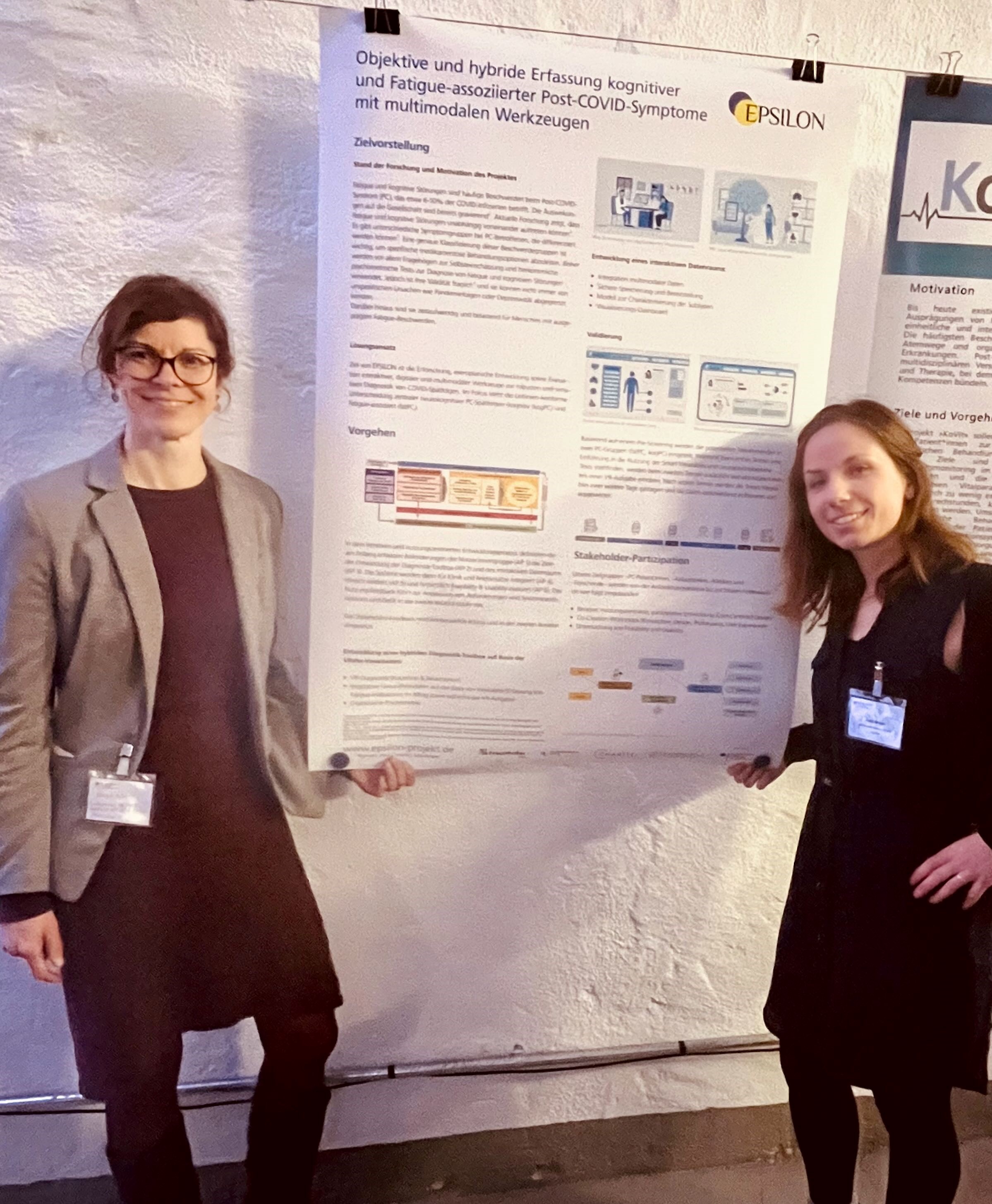
Joy Sarow, a PhD student at Charité and the Max Planck School of Cognition, presented the EPSILON project in a poster presentation. She highlighted the project’s multimodal approach, both in terms of data collection and the integration of different data modalities for analysis and the dashboard.
The wide variety of symptom profiles associated with post-COVID syndrome was repeatedly highlighted during the conference, leading to widespread support for EPSILON’s multimodal approach. The poster provided an excellent starting point for professional exchange and stimulating discussions on integrative research approaches in the field of ME/CFS.
The poster met with a great deal of interest.
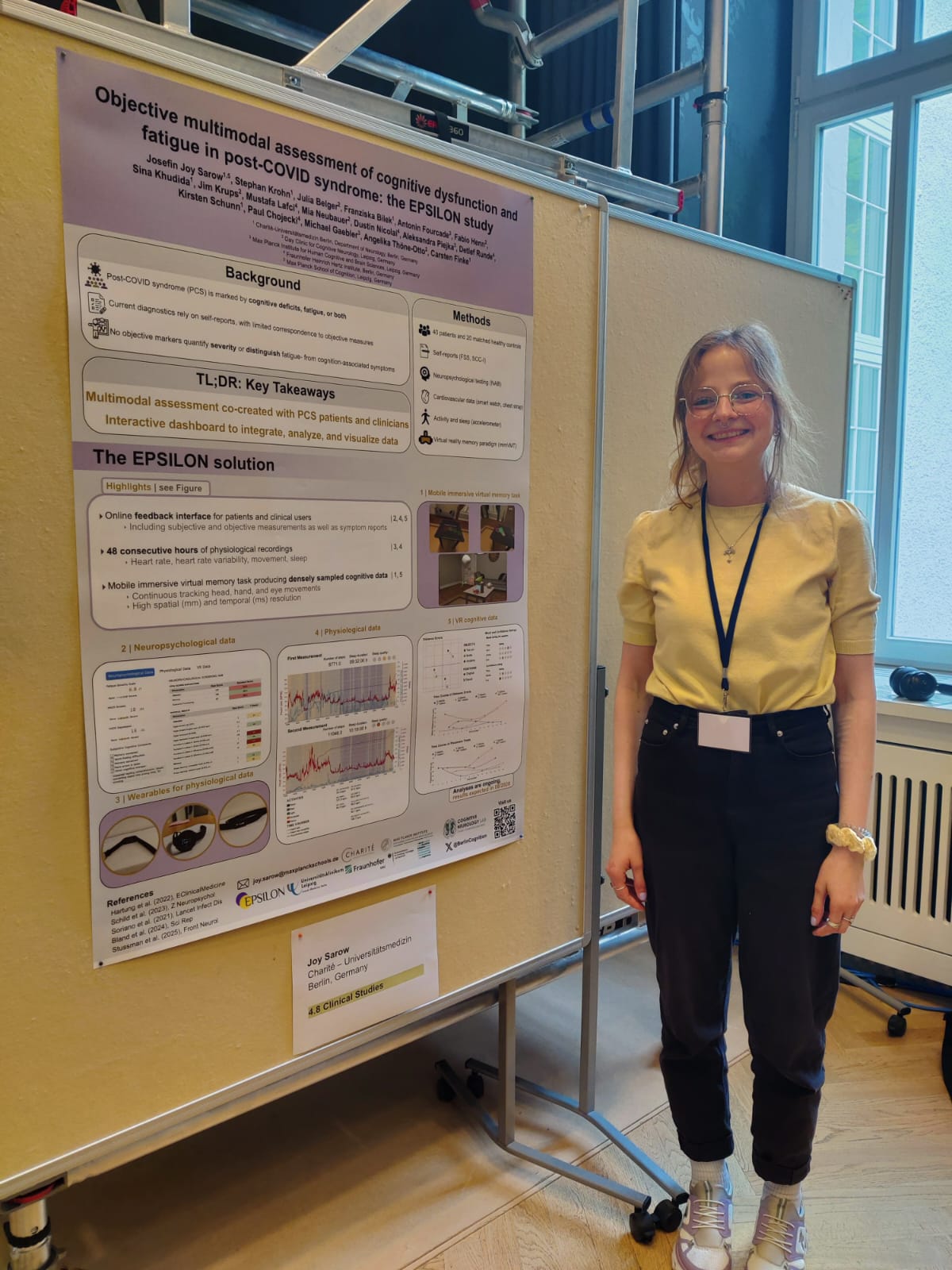
Posterpresentation by Joy Sarow
EPSILON successfully completed: official closing meeting at Fraunhofer HHI
April 28, 2026 | Berlin
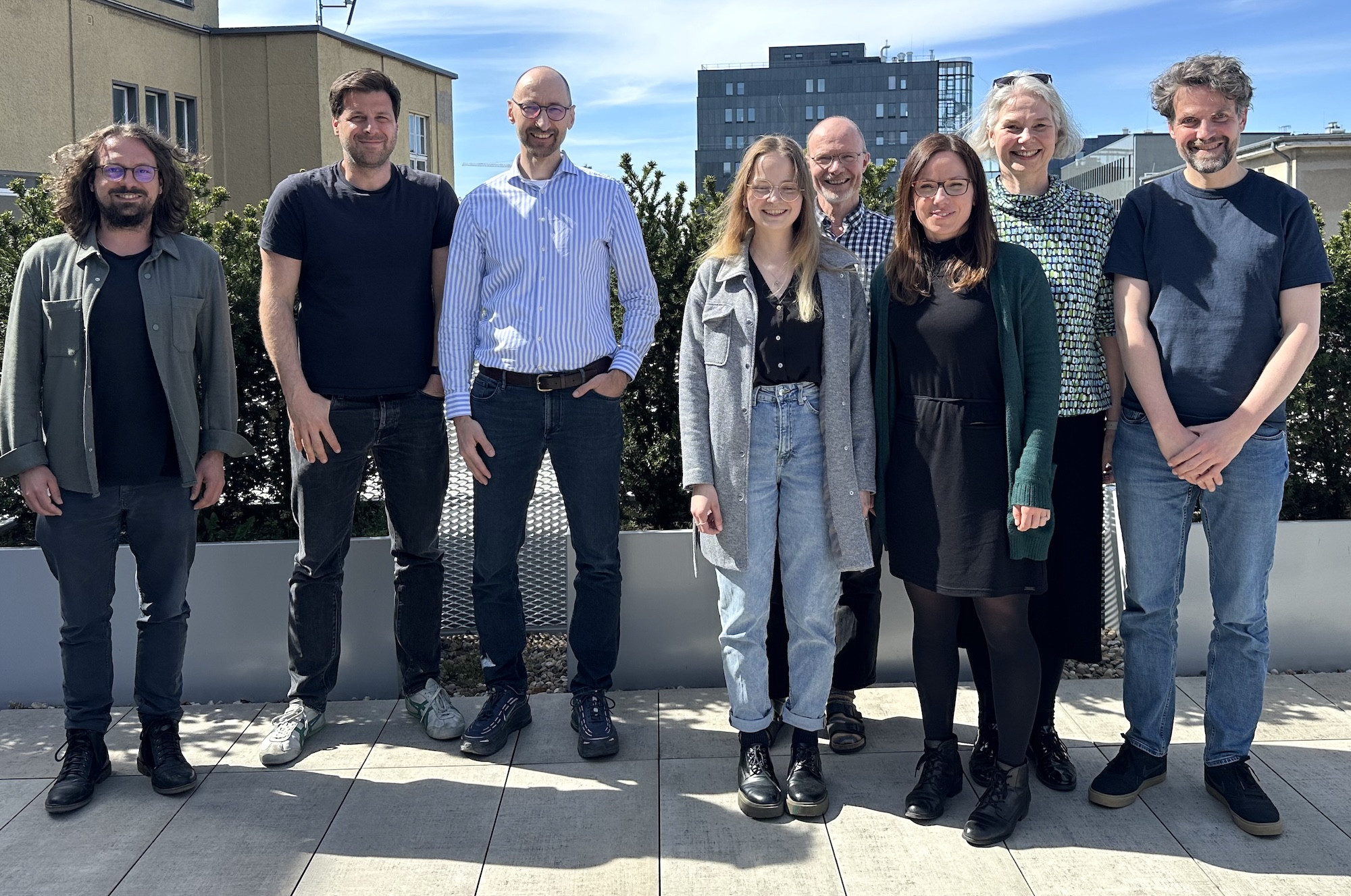
On 28 April 2026, the official closing meeting of the EPSILON project took place at Fraunhofer HHI in Berlin. Representatives of the EPSILON consortium and the project management organisation came together to present the key findings of the collaborative project and to look back on the project period. It became clear that the consortium had worked very successfully and closely together throughout the entire project period.
Following a cost-neutral extension of the project duration, EPSILON was successfully completed. The project involved the collection, harmonisation and preparation of extensive multimodal health data for initial analysis. This includes digitised neuropsychological examinations, VR-based assessments, wearable measurements, as well as questionnaire and diary data, which are consolidated, quality-assured, analysed and visualised within a central backend and dashboard infrastructure. The partners presented initial evaluation results from around 60 individuals examined using the system, as well as methodological approaches for the data-driven differentiation of post-COVID symptom profiles.
A key outcome is the platform that has been developed, which can serve as a robust foundation for further projects aimed at collecting multimodal health data in multicentre studies and, in the future, in studies conducted remotely. The findings make important contributions to a more objective differentiation of post-COVID symptoms, particularly in relation to the interplay between cognitive, fatigue-related, physiological and VR-based parameters.
The consortium is working together to analyse the findings scientifically and publish them in specialist journals and at conferences. In addition, the dissertations begun as part of the project are being finalised and will also be published. The aim is for the results developed in the project to make a long-term contribution to research into post-Covid, cognitive fatigue and multimodal digital diagnostics.
Poster Presentation at the FESN/GNP Conference
September 4-6, 2025 | Leipzig
From September 4-6, 2025, Leipzig hosted the 9th Scientific Meeting of the Federation of the European Societies of Neuropsychology (FESN) in conjunction with the 40th Annual Meeting of the German Neuropsychological Society (GNP).
Dr. Julia Belger, Postdoctoral Researcher at the Day Clinic for Cognitive Neurology at Leipzig University Hospital, presented the poster “A Co-Creative Approach to the Multimodal Assessment of Fatigue in Post-COVID Syndrome: Integrating Virtual Reality and Physiological Metrics.” The presentation highlighted the progress of our project and the results of the co-creation process, aiming at a patient-centered and clinically feasible study design.
Another focus was the multimodal assessment of fatigue and cognition with the objective of identifying different subtypes. The presentation also showcased the applied methods as well as findings from interviews and questionnaires with Post-COVID patients and clinicians.
The poster attracted considerable interest and sparked numerous questions and lively discussions.
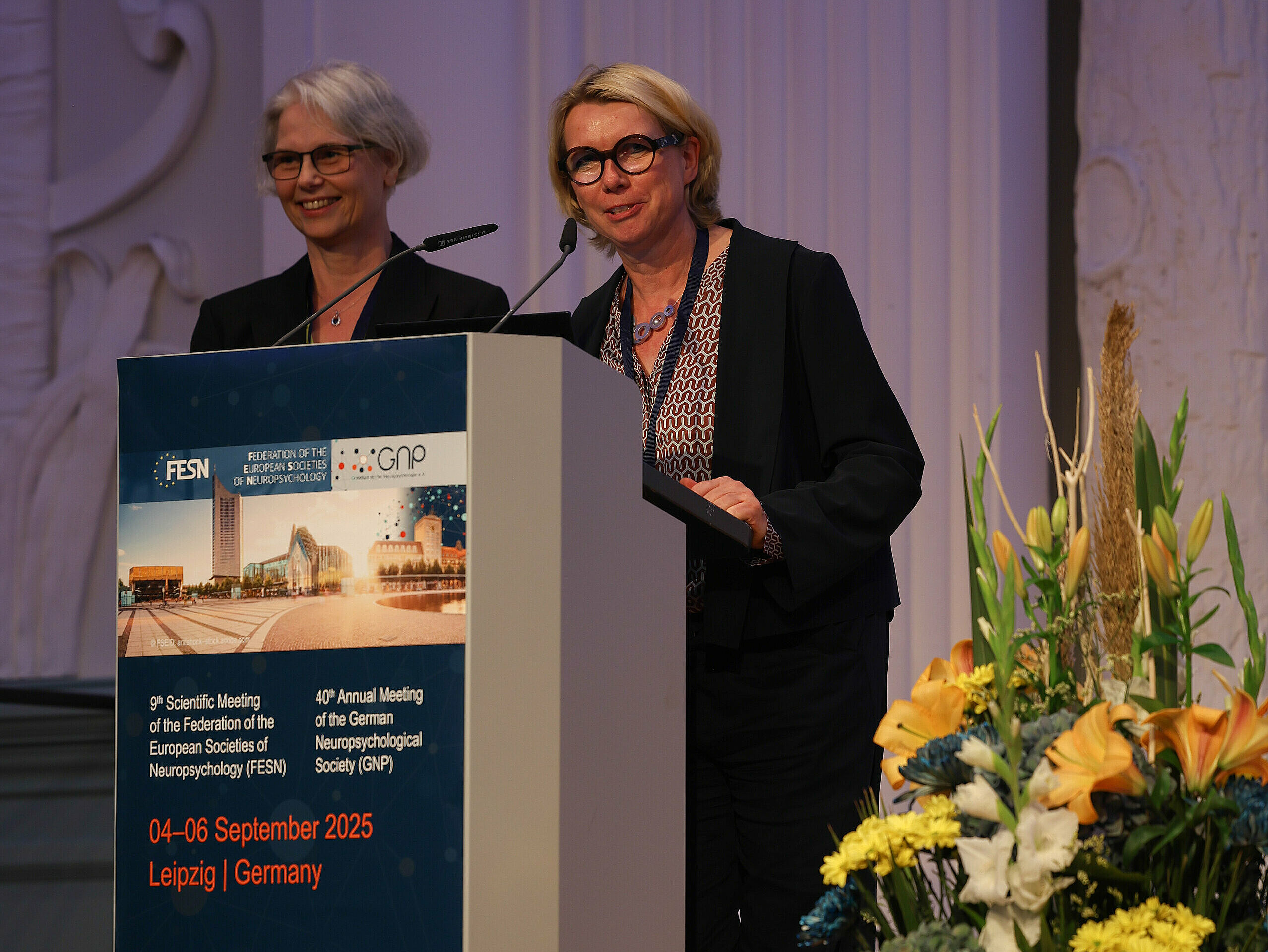
Dr. Angelika Thöne-Otto (left) and Prof. Cornelia Exner (right) as conference presidents of the FESN
Quelle: https://fesn-gnp2025.de
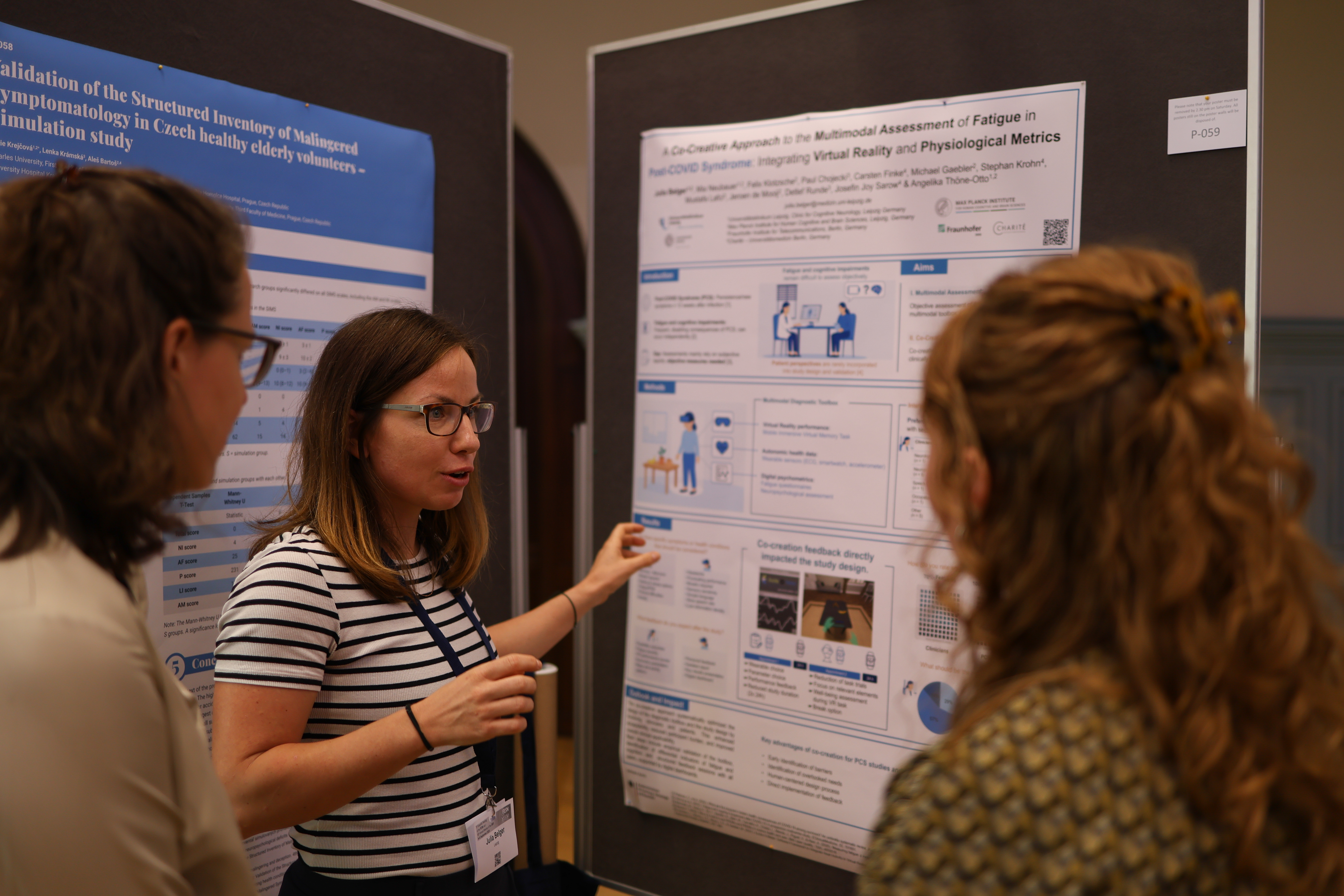
Posterpresentation
Quelle: https://fesn-gnp2025.de
EPSILON unveiled at the first MindXR Conference 2025
June 25-27, 2025 | Berlin
The first MindXR Conference took place in Berlin from 25 to 27 June 2025. The international conference focused on the use of extended reality and virtual reality in therapy, mental health, brain engineering and cognitive science. It brought together an interdisciplinary community from the fields of research, clinical practice, human-computer interaction and technology development, and provided a platform for discussion on immersive technologies in the healthcare sector through lectures, discussions, poster presentations and demonstrations.
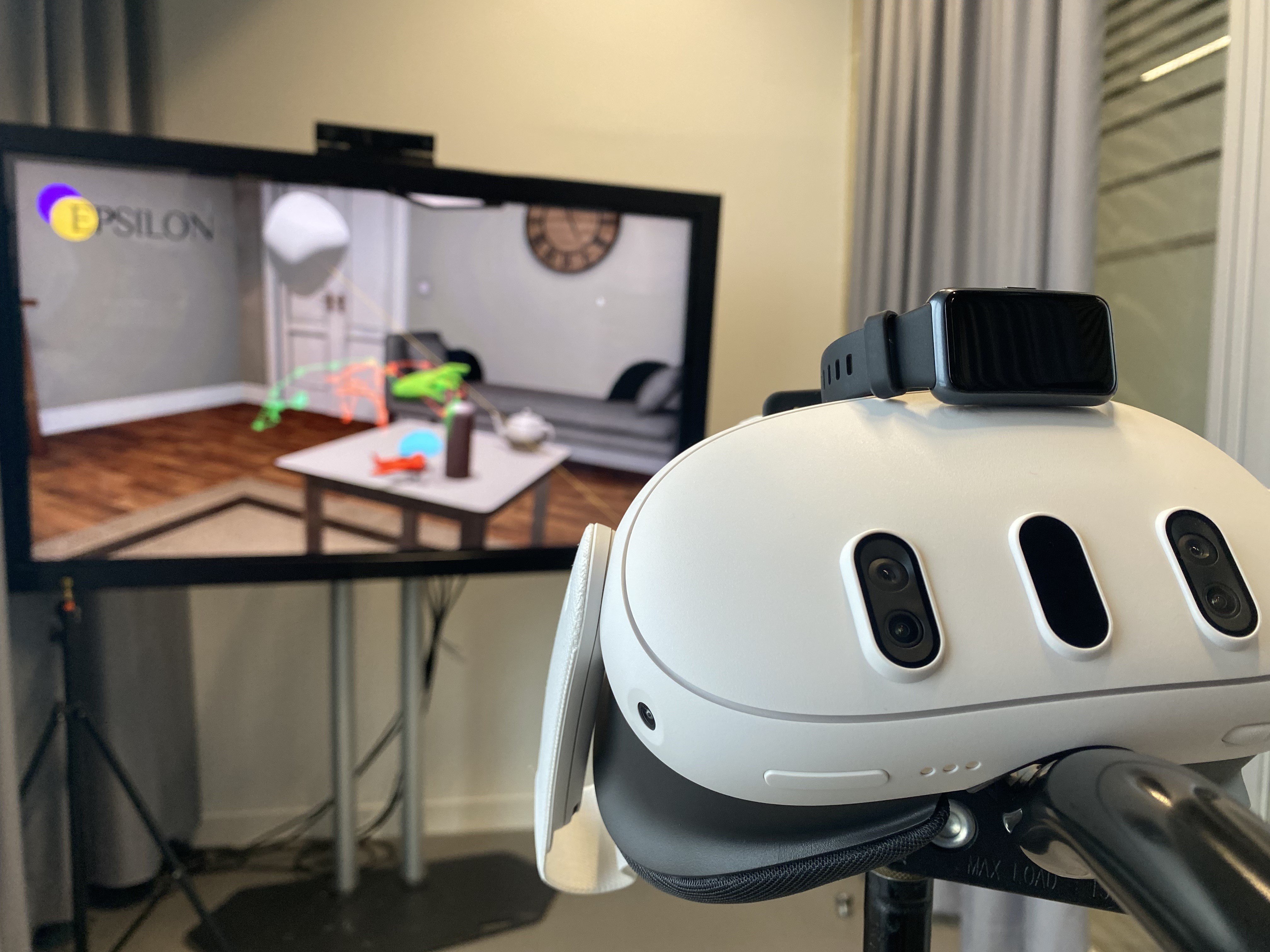
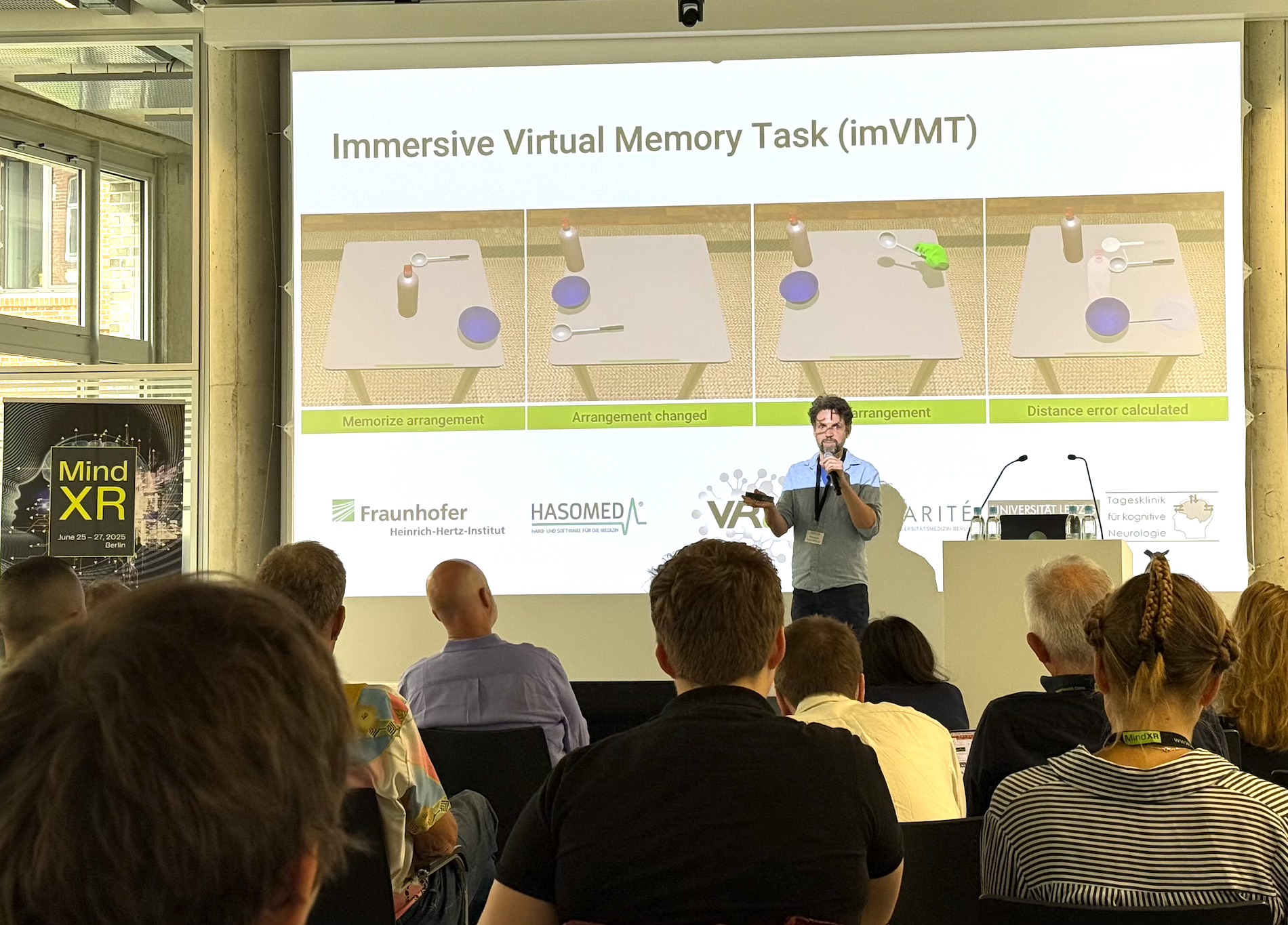
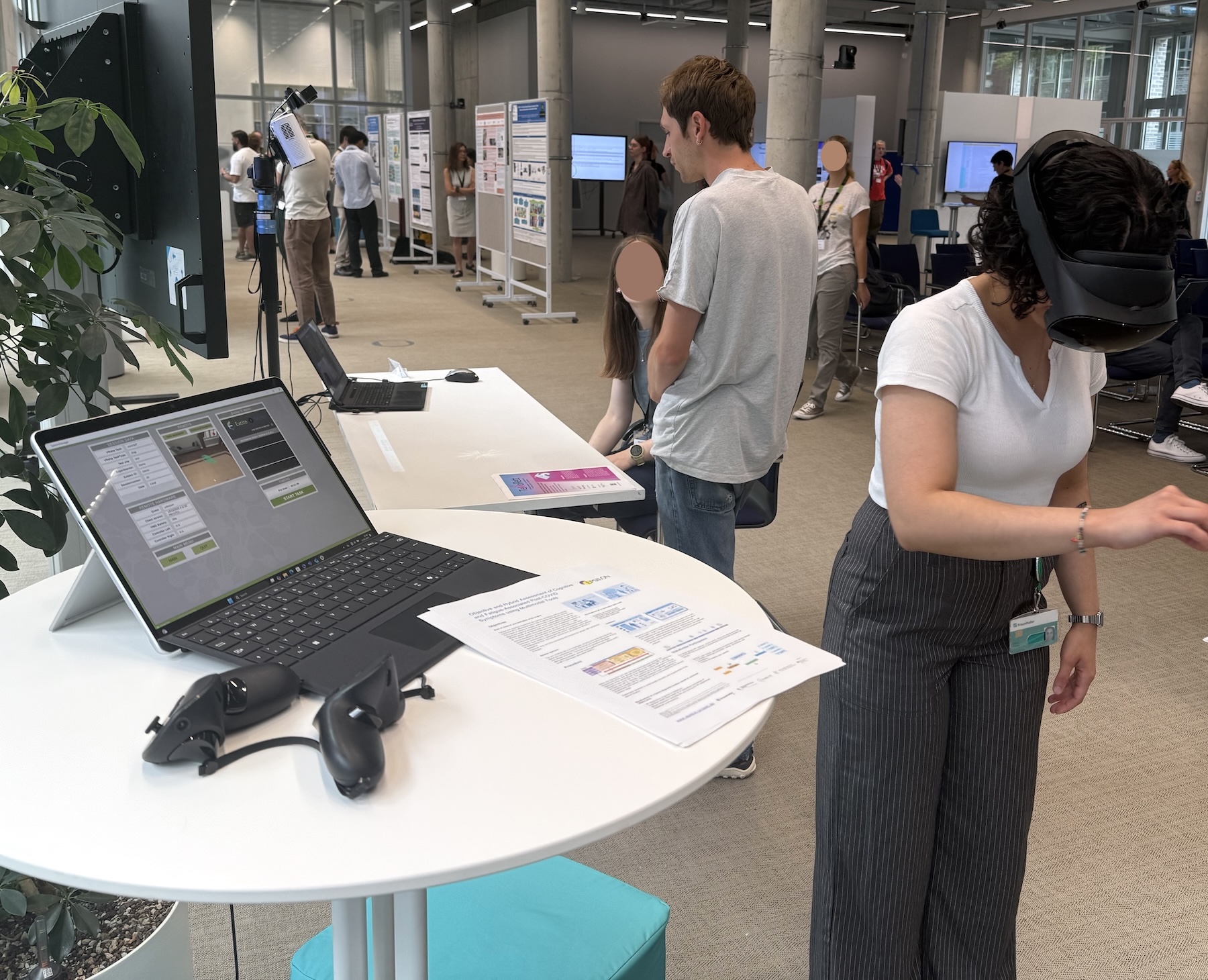
The EPSILON project was also represented at MindXR 2025. In his presentation, Michael Gaebler from the Max Planck Institute placed the project within the scientific context of XR-supported diagnostics and research. In addition, Paul Chojecki gave a demonstration of the EPSILON system and showed how immersive technologies can contribute to the more precise recording and analysis of post-COVID symptoms.
The presentation provided an opportunity to showcase the current state of development of EPSILON to a specialist audience and to gather feedback from the fields of XR, mental health and clinically oriented research. As such, taking part in the event helped to raise the project’s profile within a growing community that is increasingly discussing immersive technologies as a building block for innovative, user-centred healthcare solutions.
IEEE VR 2025: The 32nd IEEE Conference on Virtual Reality and 3D User Interfaces
March 8-12, 2025 | Saint-Malo, France
Our submission for this conference:
Post-COVID VR: Advanced Multimodal Tools for Assessing Fatigue-Associated and Cognitive Long-Term Effects
ABSTRACT
Fatigue-associated and cognitive deficits frequently co-occur in Post-COVID syndrome (PC), yet their interaction remains poorly understood. We developed a hybrid diagnostic toolbox that combines a mobile Immersive Virtual Memory Task (mimVMT) on the Meta Quest Pro with wearable devices (Polar H10) to collect real-time heart rate data and self-assessments of well-being in VR to address this challenge. The toolbox was designed through a cocreative, interdisciplinary approach incorporating input from patients with PC, clinical experts, and VR specialists. The mimVMT is a virtual spatial memory task in which participants memorize and restore object locations on a virtual table. The interaction is hand-based, requiring no controllers, enabling participants to perform the task either seated or standing, using midairhand interactions. Performance and movements (eye, head, hand) are multimodally logged and analyzed to quantify anddifferentiate fatigue-related and cognitive symptoms, enabling more precise diagnostics and tailored interventions for PC.
ELSI workshop on April 19, 2024
On April 19, 2024, the EPSILON consortium completed a project-related ELSI workshop. In accordance with the ELSI criteria, ethical, legal and social issues relating to the EPSILON project were explained here. For this purpose, the consortium carried out a systematic analysis using the ELSI screening and assessment tool (ELSI-SAT), which is publicly available at www.elsi- sat.de.
Using a detailed questionnaire, research projects in the area of human-technology interaction are sensitized to ELSI aspects and possible risk areas are identified. The ELSI-SAT questions cover various risk dimensions - for example regarding transparency, fairness or avoidance of harm - and in particular also address data protection aspects. With regard to the EPSILON project, concepts such as “privacy-by-design” as well as the definition and protection of personal and sensitive data were analyzed in detail and discussed in the context of project implementation.
This resulted in a consistently positive analysis for EPSILON in the comparison of possible risks and the project-specific addressing of these risks. This evaluation is summarized in the figures below and makes a lasting contribution to the implementation of ELSI aspects in the EPSILON project.
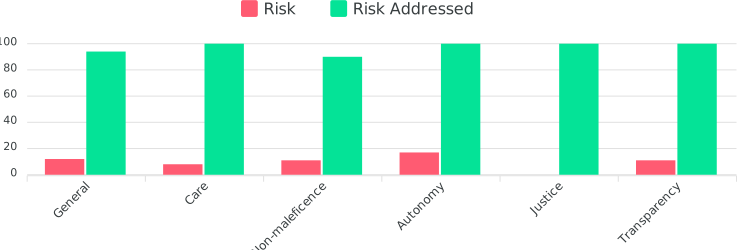
Results of the ELSI risk assessment for the EPSILON project.
The division corresponds to the individual risk dimensions.

ELSI scores for the EPSILON project along the risk dimensions.
ELSI scores correlate possible risks with planned measures to address these risks.
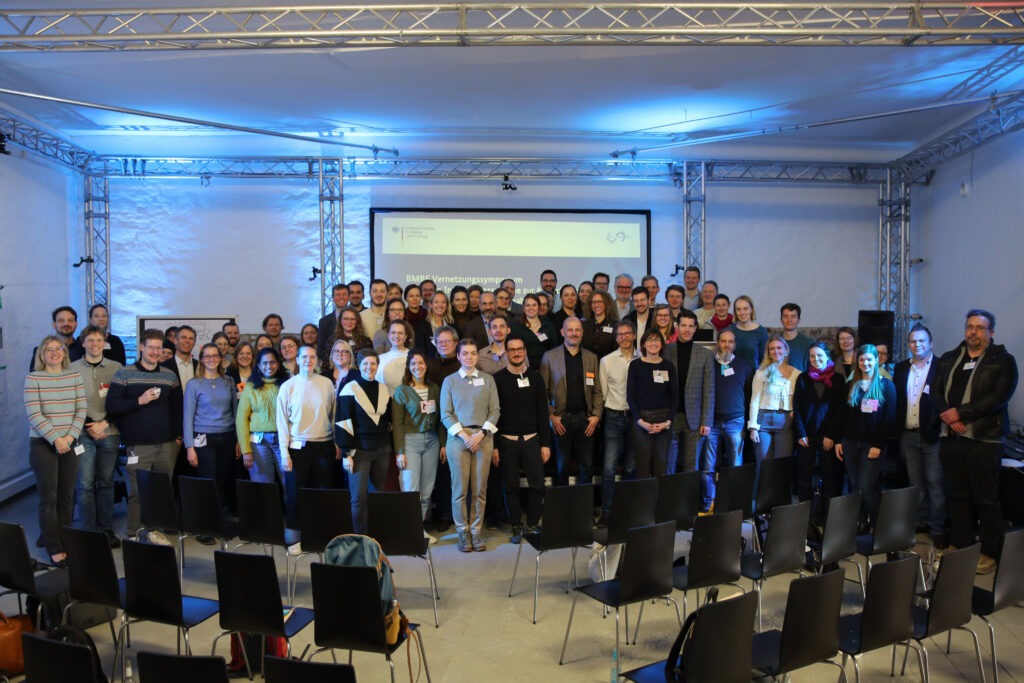
BMBF networking symposium "Hybrid interaction systems for maintaining health even in exceptional situations" and 10th research workshop in Düsseldorf
The BMBF networking symposium with the topic 'Hybrid interaction systems for maintaining health even in
exceptional situations' took place on 26 and 27 February in Düsseldorf. The event was organised by the
team of the CoCre-HIT (Co-Creation in the Digital Health Sector) accompanying project and provided a
platform for the exchange and presentation of research work in the field of hybrid interaction systems.
The EPSILON project for the precise recording of post-COVID symptoms was presented with a poster
contribution, among other things. The keynote speeches, including a particularly noteworthy contribution
by Dr Sebastian von Engelhardt (VDI/VDE-IT), provided valuable insights and perspectives on the
utilisation of R&D results from research projects.
 Quelle: https://cocre-hit.de/vernetzungstreffen-2024-in-duesseldorf-mit-10-forschungswerkstatt/
Review of the alignment workshop on 19 October 2023 at NEEEU
On 19 October 2023, an alignment workshop was held at NEEEU's premises in Berlin to mark the start of the project and bring together representatives of all project partners. The aim of the event was to create a common direction for the start of the EPSILON project. The focus was on discussing expectations and concerns as well as creating a stakeholder map to clearly identify the user groups for which the product will be customised. In addition, various user journeys were developed for the most important user groups. These take into account the specific requirements and needs when using VR technology and smart wearables both in a clinical context and in the home environment. During the course of the workshop, a prototype dashboard was created to serve as the basis for future research activities. Finally, the derivation of research questions and hypotheses as well as the next steps in the project were discussed in order to define a clear direction for the coming phases.


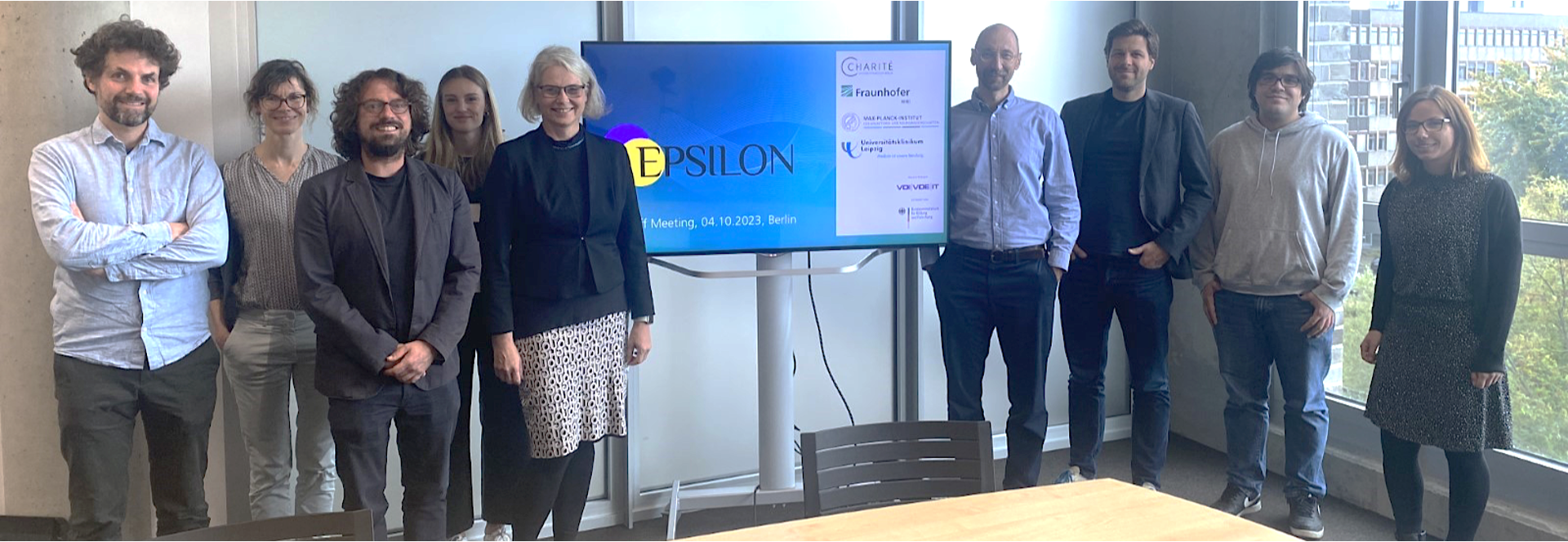
EPSILON Kick-Off Meeting in Berlin
The EPSILON kick-off meeting, which took place on 4 October 2023 at the Fraunhofer Heinrich Hertz
Institute in Berlin, marked the official start of the EPSILON project. The agenda centred on the
presentation of the project milestones and objectives of the participating partners, a presentation of the
virtual reality diagnostics application that has already been developed, an overview of the current
post-COVID situation and a presentation of the project partners and their specific tasks within EPSILON.
In addition, relevant information was provided by the project organiser. The meeting concluded with an
open Q&A session and a discussion, which gave participants the opportunity to exchange ideas and discuss
the next steps.
Link to HHI press release